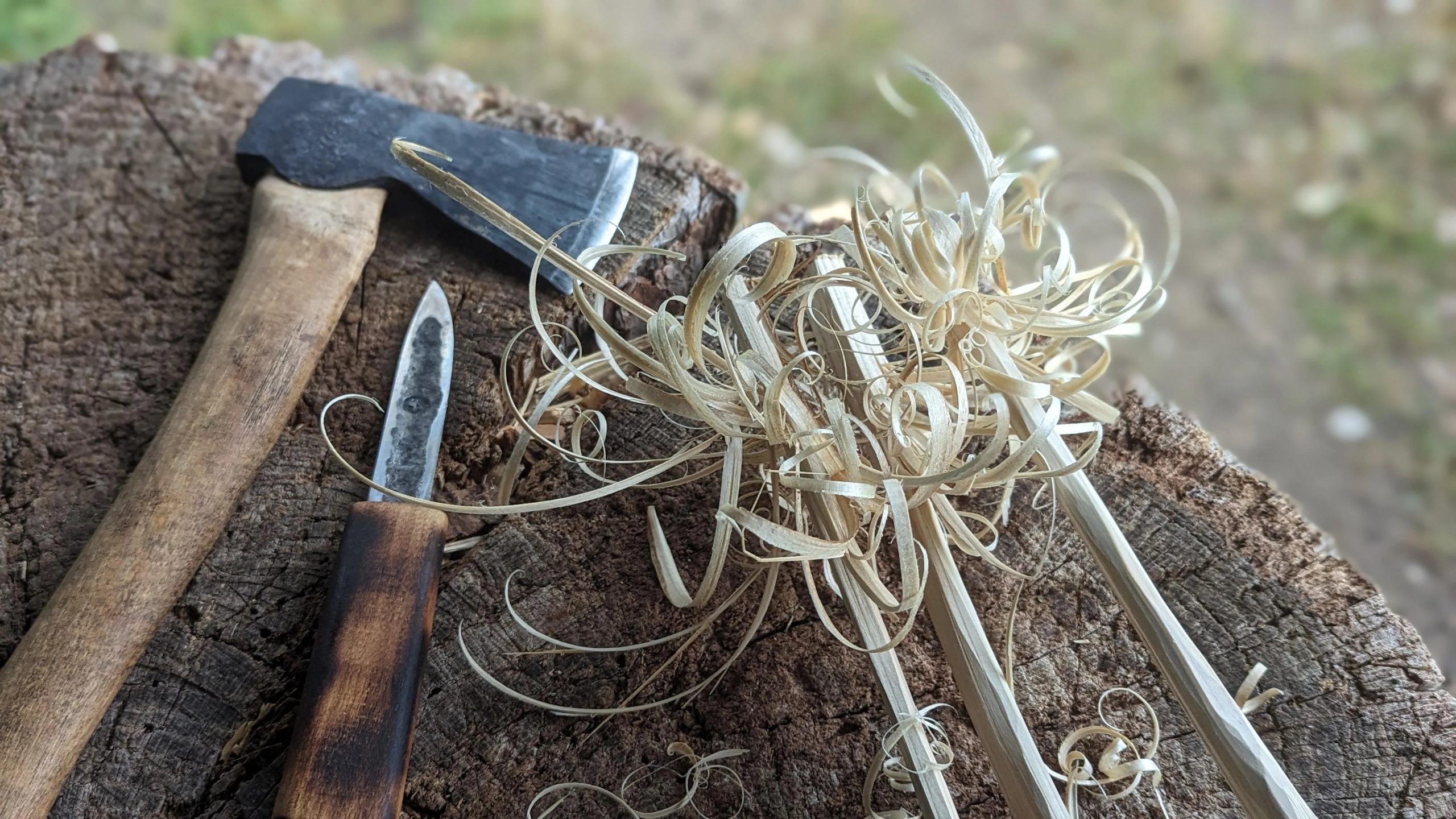
Using woodcarving knives and greenwood twigs, you will learn several techniques for performing conscious woodworking. The thought process starts with identifying opportunities within the wood and reading the possibilities within the branch. The hand gestures involve cutting, sawing, hammering, and drilling to achieve specific shapes, allowing your result to produce sound. You will create a tool by getting to work in a concrete and active way.
By the end, you will have made a small wooden whistle that you can take home and use.
Knisper Coaching: Guidance that is infectious. Working with your hands in an authentic, accessible way, through experience, and in a natural context. Getting started with bushcraft workshops to create various projects and tools from the forest. The guidance methodology starts with simple and honest materials from nature; with care and attention to the specific needs of the group or target audience, we choose tailored challenges. By combining coaching with productive manual work, participants achieve their results themselves. Here, we provide high-level support and, literally, guidance that is infectious.
Jelle Symons (Coach/Instructor – Leuven) is an enthusiastic coach and youth worker with a deep passion for craftsmanship, nature, and the outdoors. Drawing on years of experience in youth work, he combines craftsmanship with training, inclusion, and a strong appreciation for volunteering. Jelle believes that crafts are more than just techniques: they are connecting moments where people, young and old, discover their talents and learn from one another.
His background in outdoor education and bushcraft gives his workshops a warm, practical, and accessible approach. He creates spaces where experimentation is allowed, mistakes are made, and where everyone is welcome, regardless of experience or background. With great enthusiasm, he brings traditional manual labor back to life—from natural materials to ancient techniques—always with an eye for sustainability and collaboration.
At the festival, Jelle invites participants to slow down, connect, and rediscover what it means to create something with their own hands.
This workshop is offered by Erfgoedcel Mechelen and in collaboration with De Aanstekerij.

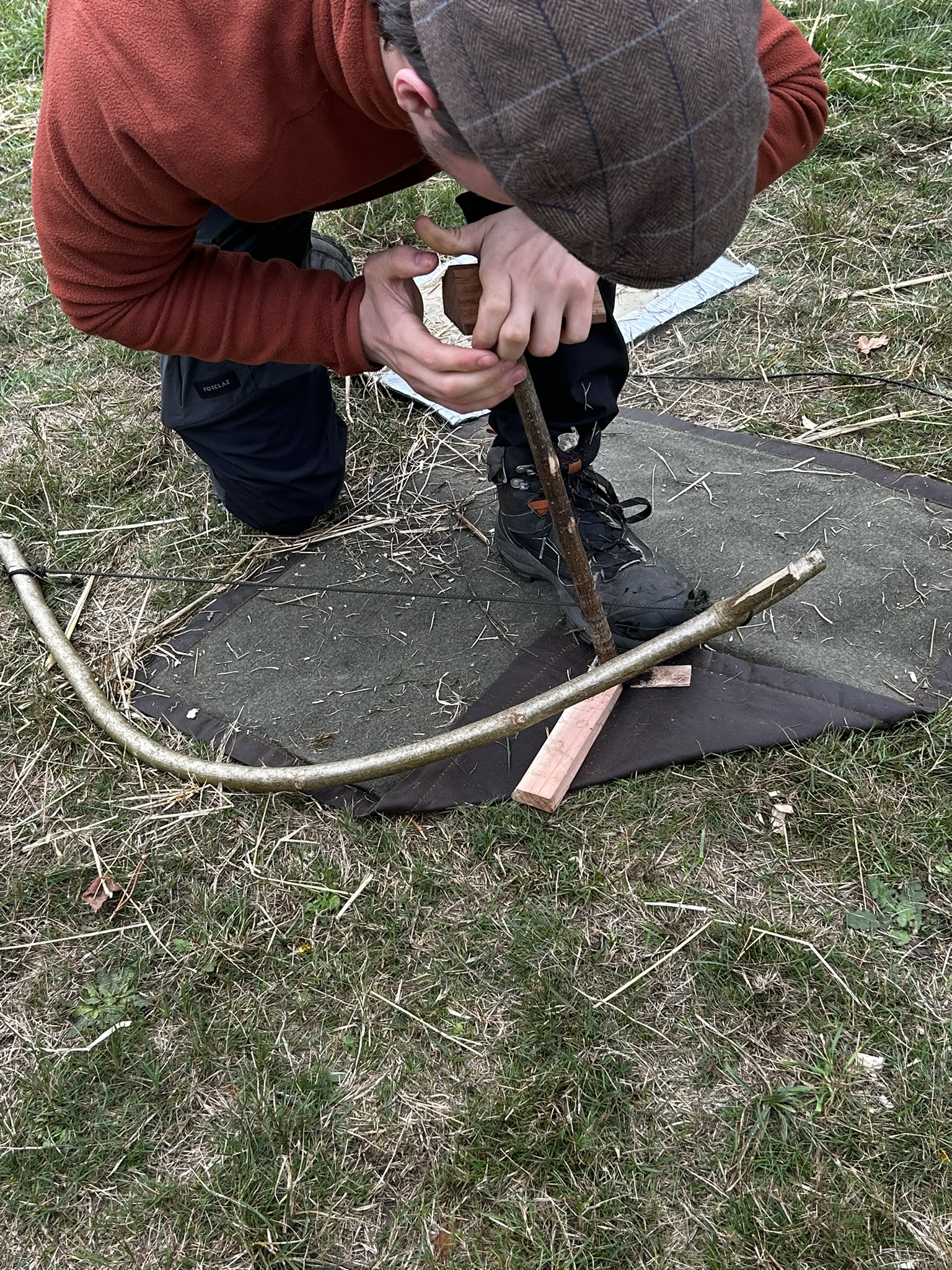
As a craft project in the forest, we get to work with raw wood elements, greenwood, and twigs. We bridge the gap between being self-sufficient in the forest and sustainably producing our own tools. We practice basic sawing, chopping, and carving techniques to create a stable and sturdy wire frame that allows us to securely tension a saw blade. The project focuses on bushcraft because it teaches you how to make something using a few basic techniques, which can then be untied to take along on a trip.
By the end, you will have made your own handsaw that you can take home and use.
Knisper Coaching: Guidance that is infectious Working with your hands in an authentic, accessible way, through experience, and in a natural context. Getting started with bushcraft workshops to create various projects and tools from the forest. The guidance methodology starts with simple and honest materials from nature; with care and attention to the specific needs of the group or target audience, we choose tailored challenges. By combining coaching with productive manual work, participants achieve their results themselves. Here, we provide high-level support and, literally, guidance that is infectious.
Jelle Symons (Coach/Instructor – Leuven) is an enthusiastic coach and youth worker with a deep passion for craftsmanship, nature, and the outdoors. Drawing on years of experience in youth work, he combines craftsmanship with training, inclusion, and a strong appreciation for volunteering. Jelle believes that crafts are more than just techniques: they are connecting moments where people, young and old, discover their talents and learn from one another.
His background in outdoor education and bushcraft gives his workshops a warm, practical, and accessible approach. He creates spaces where experimentation is allowed, mistakes are made, and where everyone is welcome, regardless of experience or background. With great enthusiasm, he brings traditional manual labor back to life—from natural materials to ancient techniques—always with an eye for sustainability and collaboration.
At the festival, Jelle invites participants to slow down, connect, and rediscover what it means to create something with their own hands.
This workshop is offered by Erfgoedcel Mechelen and in collaboration with De Aanstekerij.
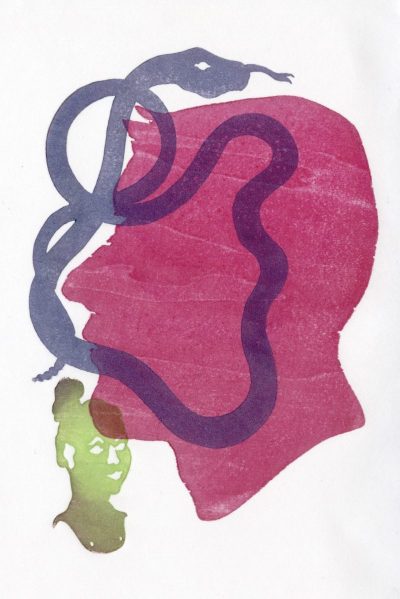
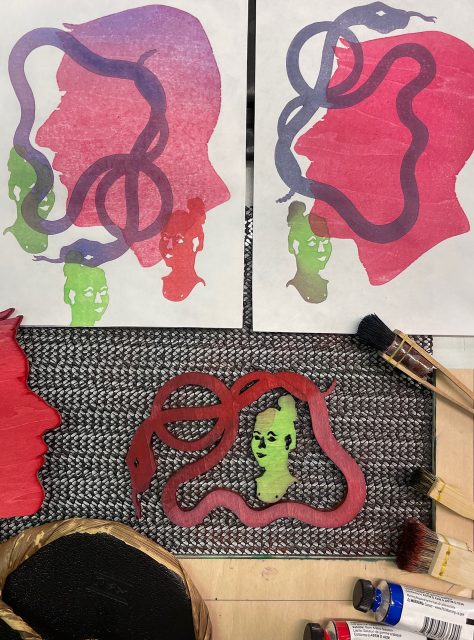
Are you particularly moved by the subtle and magical colors and color transitions when viewing a Japanese woodcut? Then this workshop is an absolute must. Here, you will discover the entirely unique printing method of this art form and get to work with it yourself. Using several pre-cut wood plates, you will create your own design. Together with your instructor, you will print your design and discover the wondrous and pictorial possibilities of printing with simple water-based paint.
You will go home with a mini-edition of 4 prints that you can enthusiastically show to friends and family.
With these workshops, we focus primarily on (absolute) beginners and amateurs who would like to experience the special character of the Japanese woodcut firsthand.
The Japanese woodcut, also known as mokuhanga, is the result of nearly 425 years of perfecting the woodcut technique, a technique that is also known in our region and has been practiced here since around 1400: the woodcut. This printing technique, and certainly its Japanese variant, stands out for its strong artisanal character, namely the extensive handiwork required to produce a satisfying woodcut. It is not enough to be able to create beautiful images; one must also think and feel within the possibilities and limitations of the material: the wood, the cutting tools, the paint, and the paper. A good Japanese woodcut is therefore the result of finding a perfect balance between thorough technical skills and free, creative, and artistic ideas. Japanese woodcut is one of the least toxic printing techniques in existence, possessing a very sustainable character and a low ecological impact, which directly explains its rising popularity worldwide.
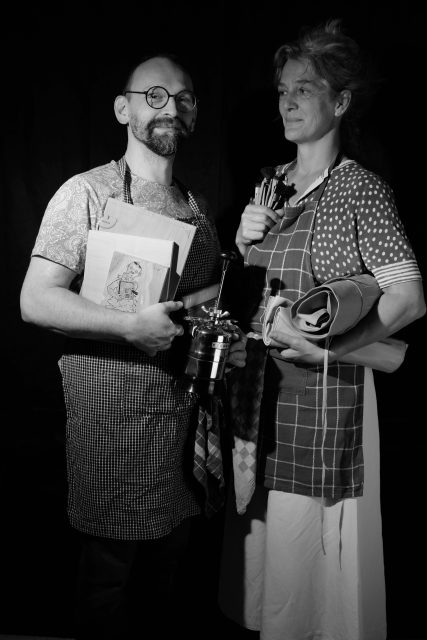
Mokuhanga Magic is a creative project by Soetkin Everaert & Vladimir Ivaneanu. They pay homage to the centuries-old Japanese art of woodcutting – mokuhanga – a craft in which tradition, patience, and creativity come together. Each print is hand-carved and printed using natural materials and water-based pigments, resulting in unique and special works of art. Mokuhanga Magic is their way of sharing this beautiful, eco-friendly art form with the world. Soetkin and Vladimir offer original prints, workshops, and tools for both beginning and experienced artists. It is their mission to inspire, educate, and build a community around the magic of mokuhanga. Join them on this artistic journey, where every print tells a story.
Since 2019, Bokrijk | Craftsmanship & Heritage has been Bokrijk’s center of expertise focusing on the contemporary relevance of historical woodworking and construction techniques. From the Campus of Craftsmanship, V&E inventories, researches, supports, and communicates this craftsmanship heritage throughout Flanders and Brussels. As a service provider, V&E is part of a strong national network and also operates as an international knowledge actor. Jeroen Desaver and Rien Bogaert will be present to share information about this.


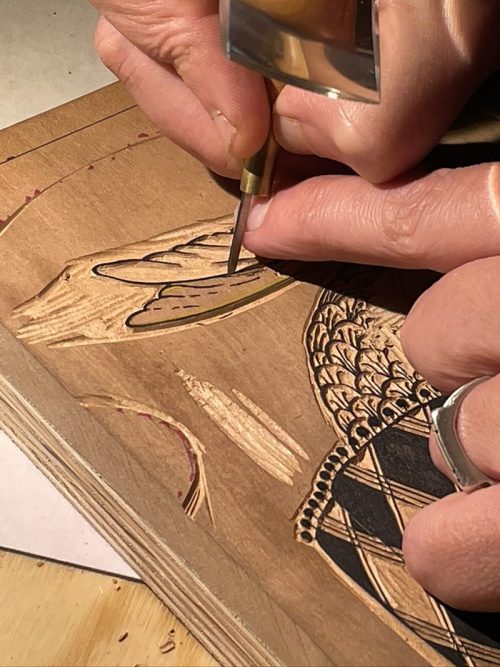
Have you ever stared in amazement at a Japanese woodcut, wondering how on earth those subtle images full of fine details were carved from wood? In this workshop, you will discover the secret of this Japanese woodcut technique, but even more so, of our own woodcut technique. After a brief introduction, you will get straight to work. The instructor will show you how to handle the carving tools, and you will receive a practice board to immediately test and practice your carving skills.
You will take this board home after the workshop so that you can continue taking steps towards becoming a master carver.
With these workshops, we focus primarily on (absolute) beginners and amateurs who would like to experience the special character of the Japanese woodcut firsthand.
The Japanese woodcut, also known as mokuhanga, is the result of nearly 425 years of perfecting the woodcut technique, a technique that is also known in our region and has been practiced here since around 1400: the woodcut. This printing technique, and certainly its Japanese variant, stands out for its strong artisanal character, namely the extensive handiwork required to produce a satisfying woodcut. It is not enough to be able to create beautiful images; one must also think and feel within the possibilities and limitations of the material: the wood, the cutting tools, the paint, and the paper. A good Japanese woodcut is therefore the result of finding a perfect balance between thorough technical skills and free, creative, and artistic ideas. Japanese woodcut is one of the least toxic printing techniques in existence, possessing a very sustainable character and a low ecological impact, which directly explains its rising popularity worldwide.
Mokuhanga Magic is a creative project by Soetkin Everaert & Vladimir Ivaneanu. They pay homage to the centuries-old Japanese art of woodcutting – mokuhanga – a craft in which tradition, patience, and creativity come together. Each print is hand-carved and printed using natural materials and water-based pigments, resulting in unique and special works of art. Mokuhanga Magic is their way of sharing this beautiful, eco-friendly art form with the world. Soetkin and Vladimir offer original prints, workshops, and tools for both beginning and experienced artists. It is their mission to inspire, educate, and build a community around the magic of mokuhanga. Join them on this artistic journey, where every print tells a story.
Since 2019, Bokrijk | Craftsmanship & Heritage has been Bokrijk’s center of expertise focusing on the contemporary relevance of historical woodworking and construction techniques. From the Campus of Craftsmanship, V&E inventories, researches, supports, and communicates this craftsmanship heritage throughout Flanders and Brussels. As a service provider, V&E is part of a strong national network and also operates as an international knowledge actor. Jeroen Desaver and Rien Bogaert will be present to share information about this.
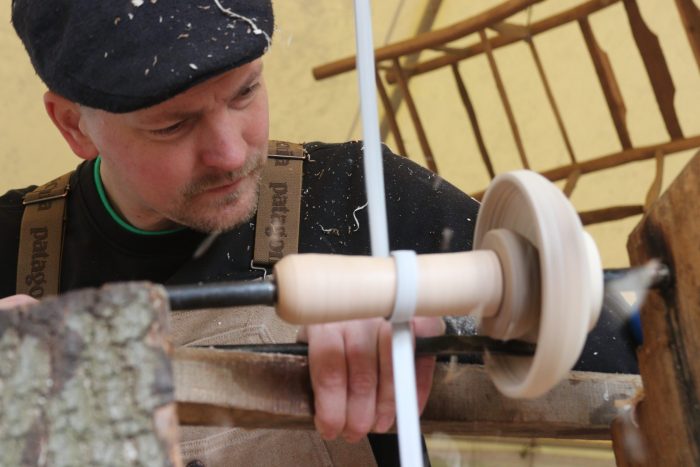
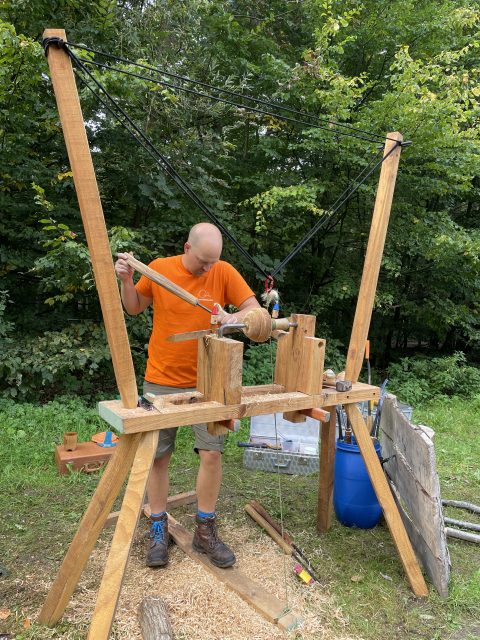
The rocking lathe is the predecessor of the electric lathe. This foot- and muscle-powered lathe is used to turn bowls, cups, plates, jars, boxes, and other utensils from wood.
The craftsman starts with a rough piece of fresh wood and uses an axe to achieve a rough shape; subsequently, he uses self-forged turning jigs and the rocking lathe to give the object its final form.
Pieterjan’s adventure with the rocking lathe began out of curiosity about traditional greenwood working techniques. This journey of discovery started years ago with spoon and other carving, transitioned into making stools and chairs, and eventually led to turning on a rocking lathe. A world of turned objects, such as bowls, boxes, cups, and jars, opened up for him.
It soon became a passion that led him to embark on a Master-Apprentice program together with Martijn Van Gerwen. Through this scholarship, he and Martijn apprenticed with experienced craftsmen in England. This strengthened his growth as a green woodworker, and he is breathing new life into this ancient craft. By now organizing workshops himself, he encourages others to discover this beautiful craft and experience what it is like to work with green wood and create unique, usable objects.
During the festival, he will give free continuous demonstrations.
This program is made possible by Dijk92.

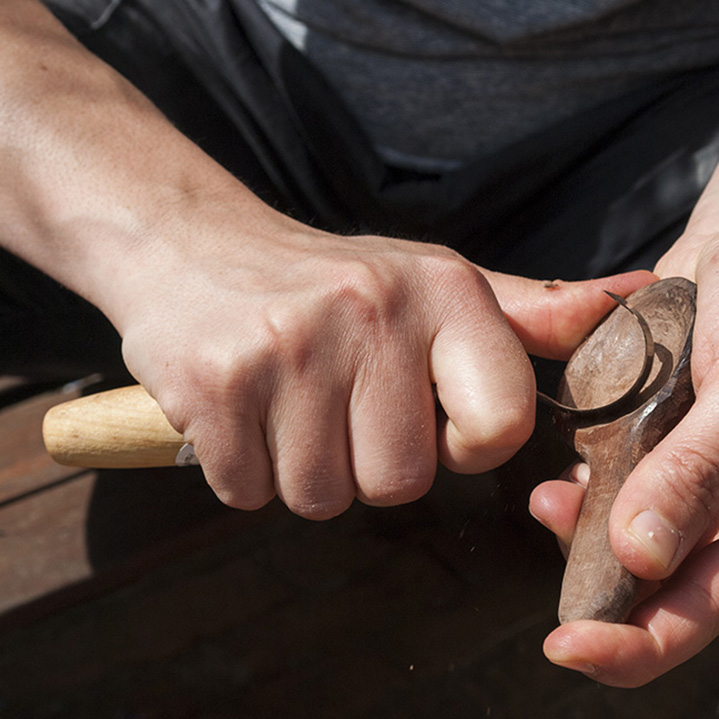
Spoon Carving
Hausgemacht takes you into the world of woodcarving. You will receive the rough basic shape of a spoon, spatula, or butter knife. We will then get to work with that. You will learn more about different types of wood, the use of the two basic woodcarving knives and the associated carving techniques, and how to beautifully finish your carving.
You will go home with a handmade spoon, spatula, or butter knife.
Hausgemacht is a mobile haven for handiwork, craftsmanship, and creative play in Belgium. “We want to get people of all walks of life ‘out of the head, into the hands.’ Because more than ever, we need to reconnect with ourselves, natural materials, and each other.
We work with residual streams as much as possible because they exist and because Mother Earth already has enough to swallow. We believe that making unique and sustainable items with our hands can contribute to a better world and happier people.” Adults can get to work in the studio with various craft techniques such as woodcarving, glasswork, textile processing, and printing techniques.
For children, there is a range of basic play materials made from natural and recycled materials. This encourages children to engage in creative play, allowing them to let their imagination run wild. In creative workshops, they are introduced to upcycling and natural materials through play. They always start from handiwork and craft techniques.
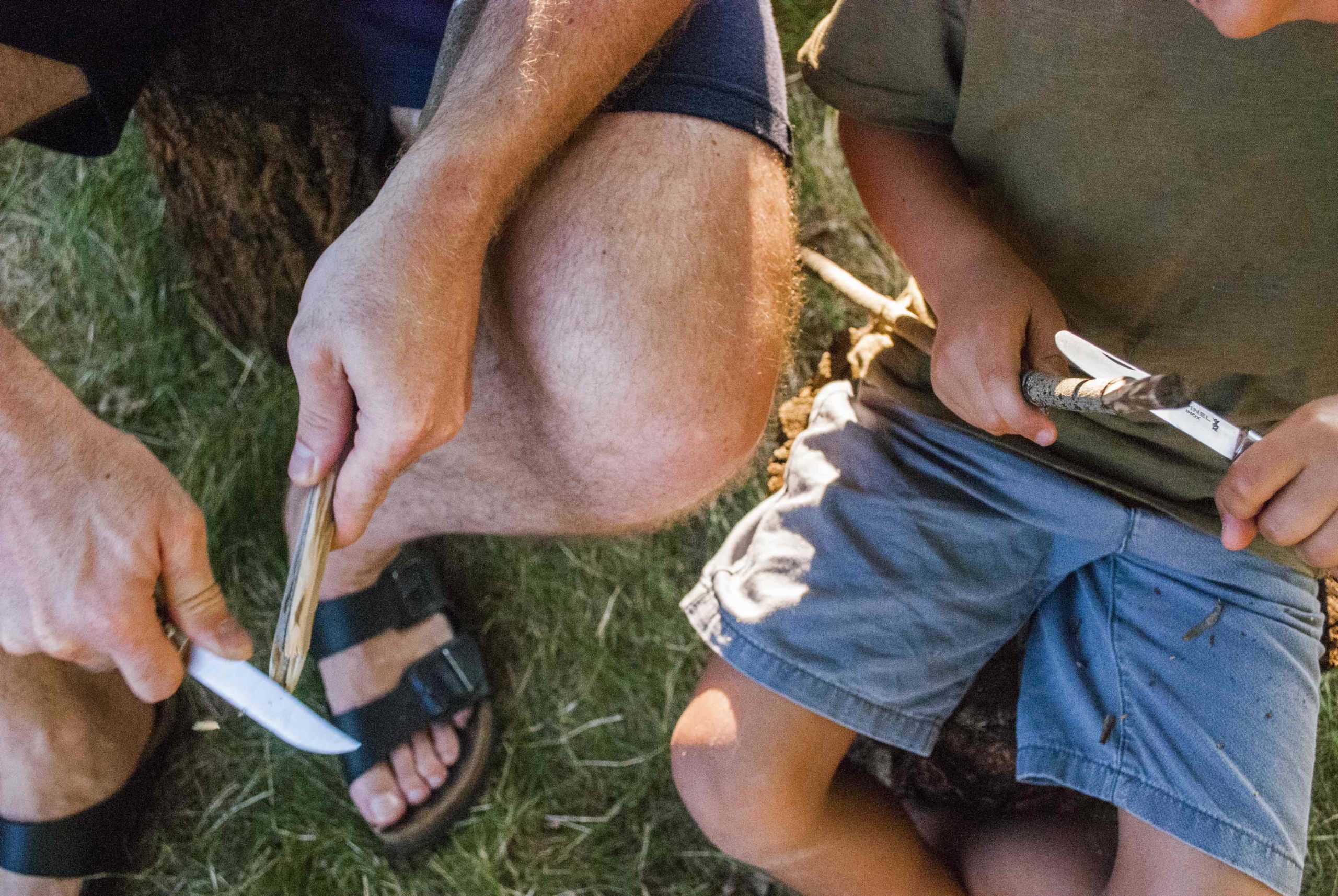
With the help of a pocket knife, we’ll transform a raw branch into a splendid walking stick. If you have a knack for using a knife, you might even add intricate carvings and designs to your creation.
Once you’re content with your masterpiece, we’ll drill a hole and attach a vibrant, colorful rope to your walking stick for that finishing touch.
Hausgemacht is a dynamic mobile haven for handicrafts, crafts, and creative exploration in Belgium. Our mission is to guide people from all walks of life to shift from overthinking to hands-on crafting. In a world where reconnection with ourselves, natural elements, and one another is vital, we’re here to inspire you.
We prioritize utilizing residual materials as much as possible, respecting the Earth’s capacity. We believe that crafting unique and sustainable items with our hands can foster a happier world and a healthier planet.
For adults, our workshops offer a diverse array of craft techniques, including woodcarving, glasswork, textiles, and printing. Meanwhile, children have access to a plethora of basic play materials crafted from natural and recycled sources. This encourages imaginative play, where creativity knows no bounds. Our creative workshops introduce kids to upcycling and the use of natural materials while they play, all rooted in the principles of crafts and handicraft techniques.
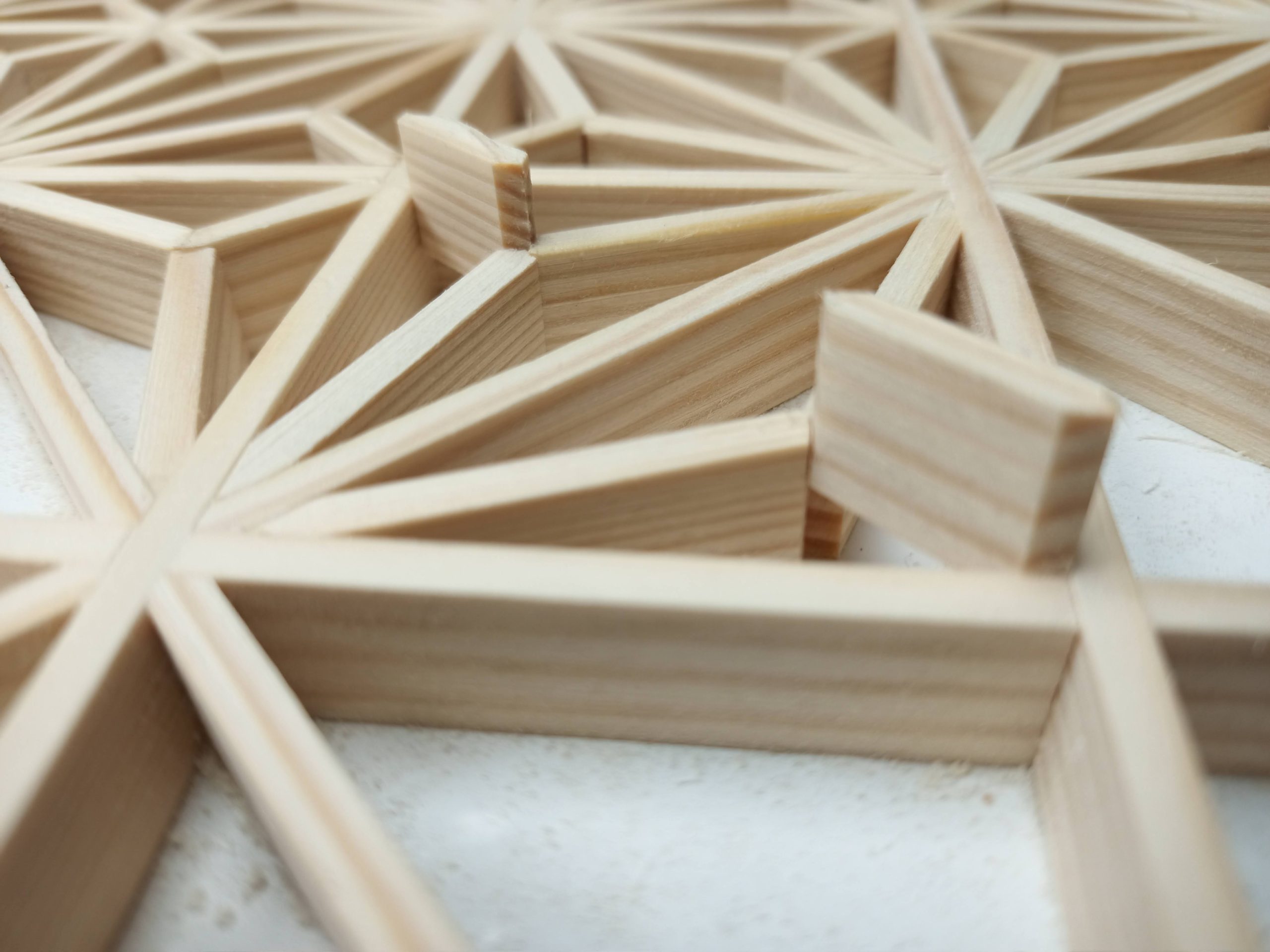
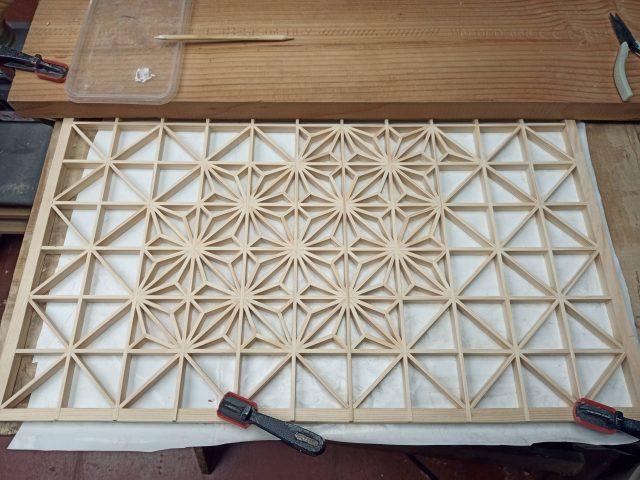
During this workshop, you will be introduced to kumiko, a traditional Japanese woodworking technique in which fine wooden slats are joined together in refined patterns without nails or screws. You will learn the basic steps of the craft: how to accurately mark, saw, plane, and assemble the slats. As a central element, you will work on the asa-no-ha pattern, a classic Japanese motif inspired by the shape of hemp leaves. This geometric pattern is an ideal introduction to the precision and rhythm of kumiko.
The workshop is suitable for both beginners and experienced woodworkers.
At the end, you will go home with your own kumiko panel and a first experience with this refined Japanese craftsmanship.
Kumiko is a traditional Japanese woodworking technique in which thin wooden slats are joined together in refined patterns without nails or screws. The technique has been used for centuries in shōji screens, windows, and sliding doors in Japanese architecture, among other things. Through precise sawing and planing techniques, the wooden pieces fit together perfectly, creating a strong and stable construction.
What makes kumiko special is the combination of precision, rhythm, and aesthetics. The patterns are often inspired by nature and bear traditional names, such as the well-known asa-no-ha pattern, which resembles the shape of hemp leaves. Every piece is crafted with great care, where even small corners and joints must be exactly right.
In addition to functional applications, kumiko is now also used in decorative panels, furniture, and wall art. The interplay of light and shadow created by the open patterns gives the work a light, almost lace-like appearance. As a result, kumiko is not only a craft but also a form of serene and refined wood art.
Carl Bruijndonckx is a woodworker with a particular interest in Japanese woodworking techniques. Driven by a passion for precision, simplicity, and craftsmanship, he delves into traditional methods where hand tools and precise joints take center stage. Techniques such as kumiko appeal to him particularly because of their refinement and rhythm. Through experimentation, study, and sharing knowledge, he aims to make this craftsmanship accessible and introduce others to the beauty of Japanese woodwork.
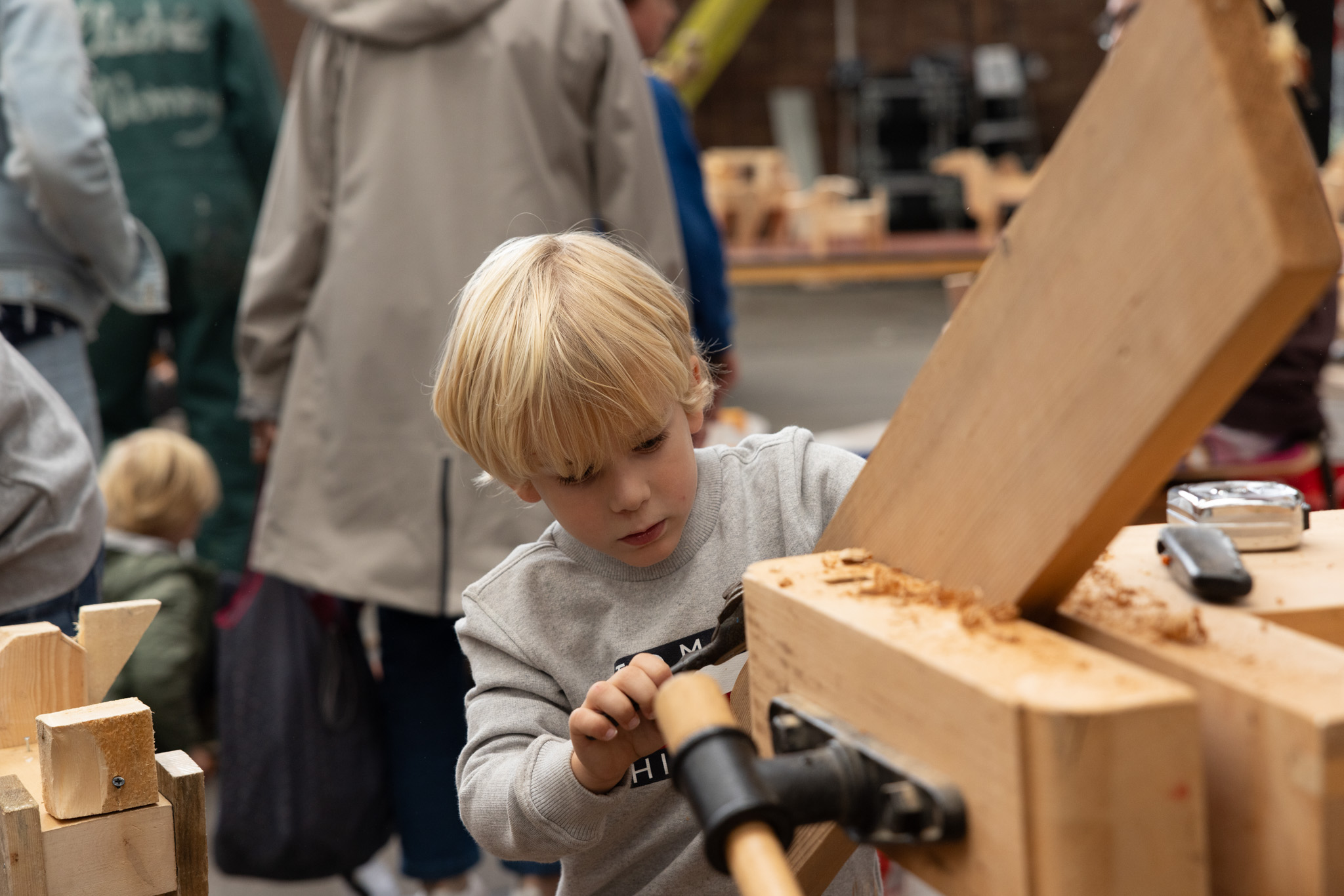
We are organizing an open workshop where children and their parents/guardians build a joint project using wood.
Together, we bridge a fictional river. We build a real bridge from where we are now to where we want to go.
The bridge connects us with our fellow builders, but also with the place we want to be (get to).
Please note: parents/guardians are responsible for their children at all times and must remain present during the workshop.
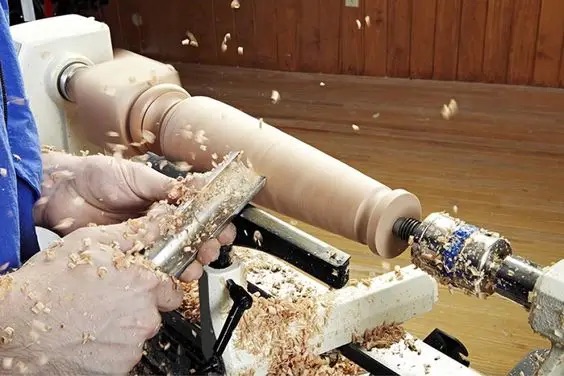
During the workshop, you will initially be introduced to the craft through a short demonstration by one of the demonstrators. Afterwards, you will learn a number of basic woodturning skills, which you can then apply yourself under the guidance of the demonstrators.
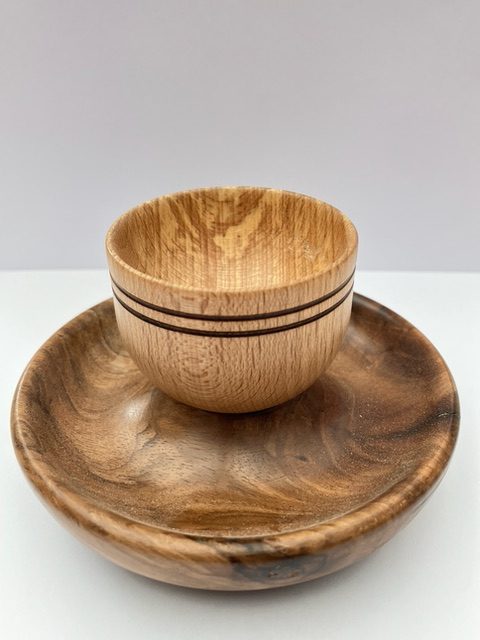
The different types of turning chisels will be explained, and the way they are used will be demonstrated. Subsequently, you will make a beech egg cup, always under supervision. You will proudly take your self-turned egg cup home with you!
The Flemish Guild of Woodturners is an association founded in September 1991 under the driving force of the late Prof. Dr. Daniël Ellegiers.
The guild is aimed at anyone interested in woodturning. Professionals, hobbyists, and artists alike will find something to their liking. The different perspectives and the creativity emanating from these groups give a new dimension to woodturning. Young people in education also receive special attention.
Currently, the VGH numbers around 900 members, about 100 of whom are from abroad. Members receive the magazine “De Vlaamse Houtdraaier” four times a year.
The magazine aims to keep members constantly informed about what is going on within the guild. Additionally, it seeks to provide members with a national and international perspective. Regular contacts abroad periodically ensure interesting publications.
This workshop is offered by Erfgoedcel de Merode.